Verified BM vs Business Verification Service: Which Fits Your Needs?
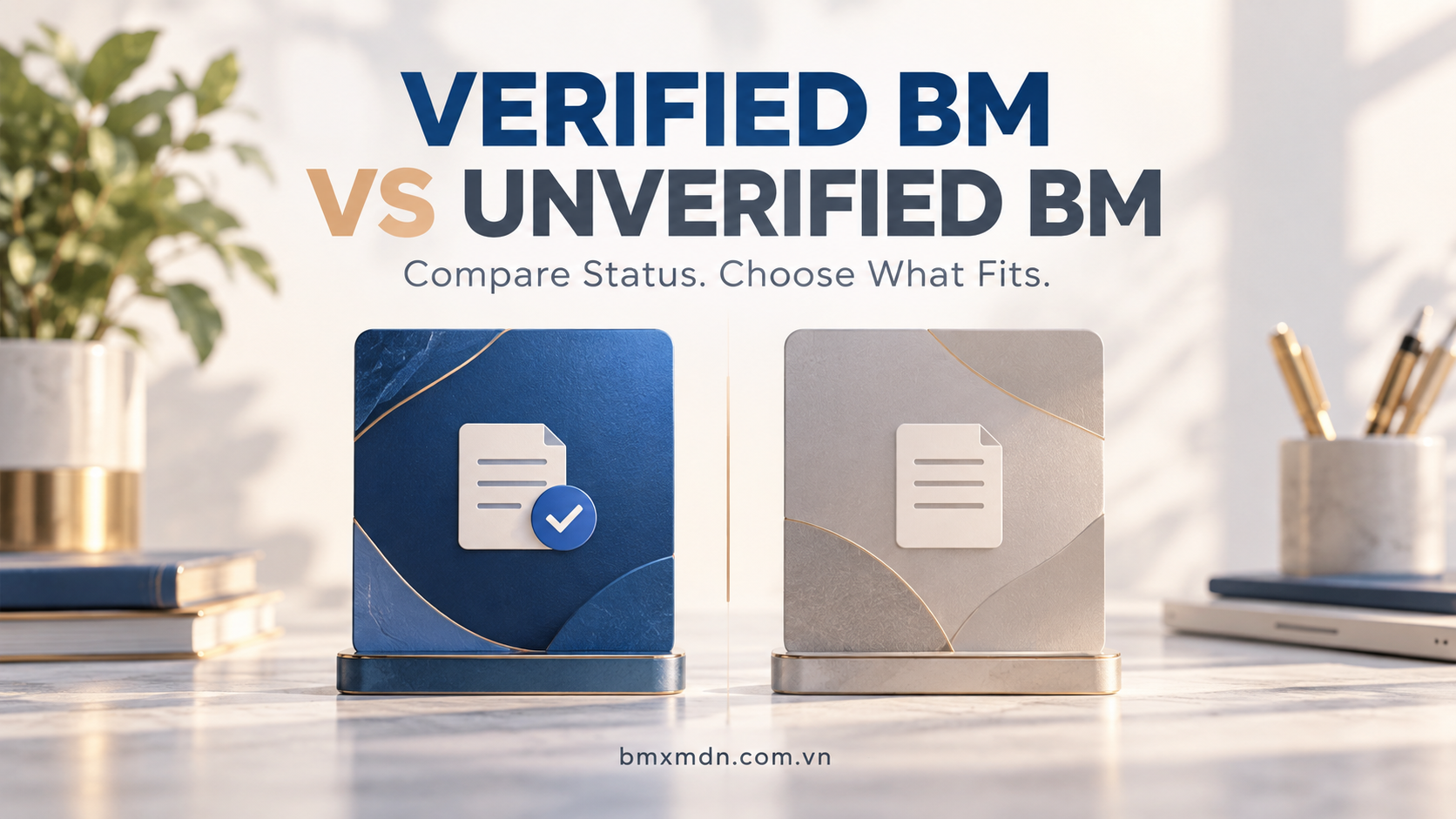
If you are comparing verified BM vs business verification service options, start with one question: do you need assistance verifying your own business, or are you evaluating a package involving an existing portfolio and specific assets?
These offers can appear similar in search results, but they describe different purchasing decisions. Choosing between them requires more than comparing a product title or advertised price.
This guide explains what to clarify, how to compare quotations, and which questions help identify an appropriate service scope.
What Is a Verified BM Offer?
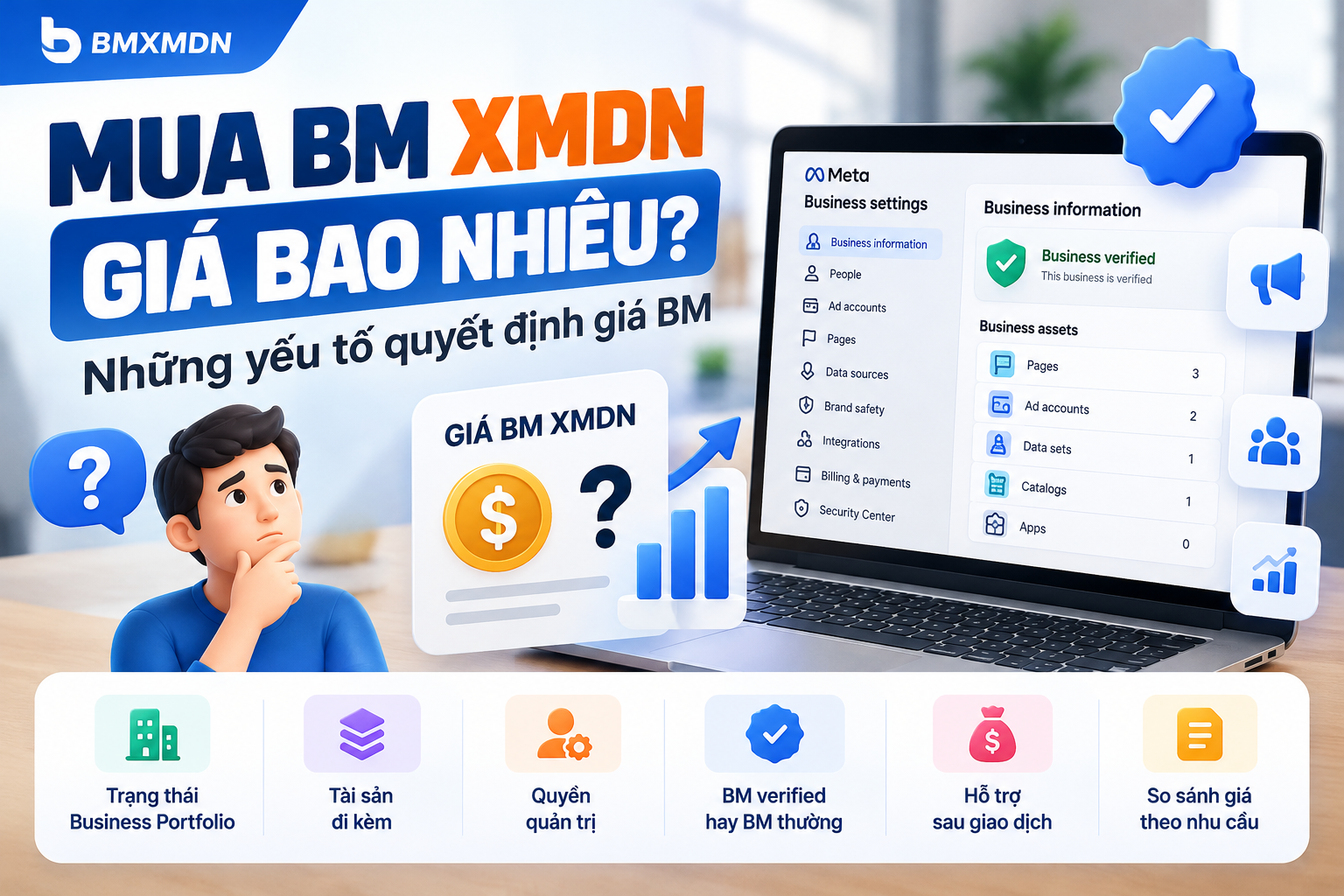
In supplier listings, a “verified BM” offer typically refers to an existing business portfolio presented as having completed business verification.
The listing may also mention advertising accounts, additional assets, permissions, or setup assistance. However, those components should be confirmed individually.
Before evaluating the price, establish:
-
Which business the portfolio represents.
-
Which assets are included.
-
Who owns or controls those assets.
-
What access your organization would receive.
-
What legitimate relationship authorizes the proposed use.
-
Which characteristics can be demonstrated during inspection.
A listing alone does not establish that a purchase or access arrangement is permitted or suitable for your company.
What Is a Business Verification Service?
A business verification service describes assistance with the verification process rather than an existing portfolio package.
Depending on the provider’s scope, the service might include reviewing business information, identifying inconsistencies, helping organize supporting materials, or guiding an authorized representative through the relevant process.
Ask exactly what assistance is included. Document preparation, submission guidance, troubleshooting, and follow-up support are different tasks.
The provider should also distinguish its own work from any decision made by the platform. Paying for assistance should not be interpreted as purchasing approval.
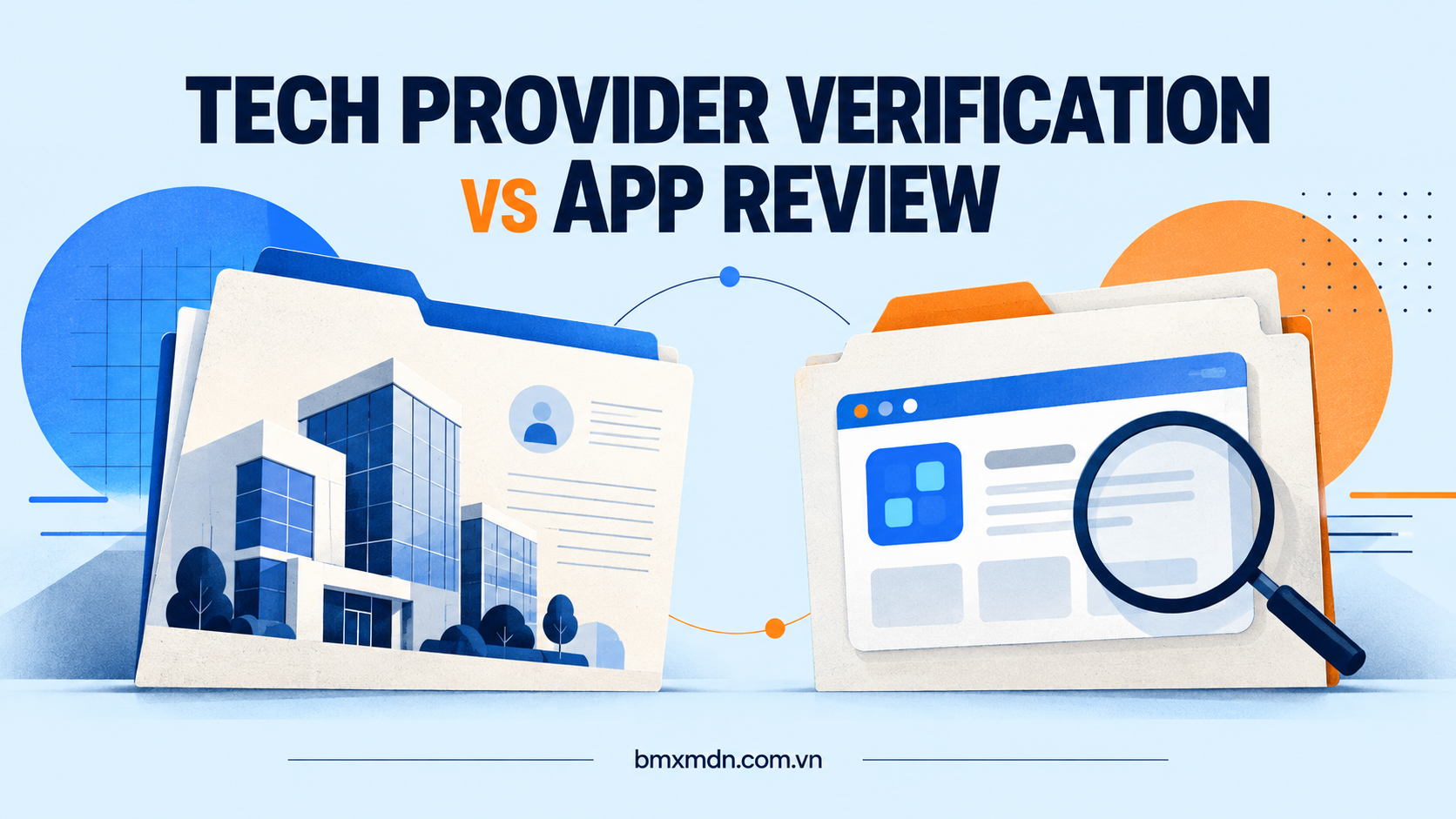
Compare the Two Offers Side by Side
| Comparison point |
Verified BM offer |
Business verification service |
| Main subject |
An existing portfolio and specified assets or access |
Assistance with a business verification process |
| Business identity |
Confirm which business the portfolio represents |
Confirm which business will be the subject of the work |
| Scope |
Configuration, assets, permissions, and any setup assistance |
Preparation, guidance, troubleshooting, and agreed follow-up |
| Evidence |
Inspection of the exact offered configuration |
Records of completed work and outstanding requirements |
| Delivery |
Defined handover and acceptance checks |
Defined service milestones |
| Key uncertainty |
Whether the arrangement fits your authorized business use |
What remains dependent on your information or platform review |
| Price comparison |
Compare equivalent configurations |
Compare equivalent assistance and deliverables |
The appropriate choice depends on the problem you need to solve, not simply which offer appears faster.
When Your Goal Is to Verify Your Own Business
If your objective is verification of your own company, describe that requirement explicitly.
Provide the provider with a clear overview of your existing portfolio, your business identity, and where you need help. Ask it to explain what it can do within that environment.
A useful proposal should identify:
-
The business and portfolio covered.
-
The information you must supply.
-
The checks the provider will perform.
-
The assistance included.
-
The tasks that remain your responsibility.
-
How progress and completion will be documented.
An offer involving another company’s identity does not directly answer a request to verify your own business.
When You Are Evaluating Existing Assets
If your requirement concerns access to specific assets through a legitimate business relationship, explain those assets and tasks before discussing packages.
For example, you may need an agency to help administer existing advertising assets. The provider should explain the proposed permissions, who retains control, and what happens when the relationship ends.
Avoid assuming that a different portfolio is necessary merely because it appears in a product catalog.
Ask the supplier to connect every proposed component to a concrete requirement.
Consider Your Existing Setup Before Ordering
Prepare a short inventory of what your business already controls.
Include your portfolio, Pages, advertising accounts, applications, and any other assets relevant to the project. Note access problems and unfinished configuration work.
This helps separate three questions:
-
Do you need verification assistance?
-
Do you need access or configuration work?
-
Do you need technical implementation?
These tasks may be quoted together, but they should remain identifiable. Otherwise, you may pay for a package that leaves your original problem unresolved.
Compare Pricing Using the Same Scope
A portfolio-related package and a verification assistance service may have very different pricing structures.
Ask each provider to itemize its offer. Identify optional services, follow-up charges, delivery prerequisites, and support boundaries.
For verification assistance, clarify whether the fee covers an initial assessment, a defined period of support, or specific preparation tasks.
For an existing portfolio offer, clarify the exact configuration, inspection process, and authorized access arrangement.
Do not compare two prices until you understand what each one buys.
Define Completion Before Work Begins
Each type of order needs an appropriate acceptance process.
For a portfolio-related arrangement, completion might involve demonstrating the agreed assets, permissions, and contracted setup work.
For verification assistance, completion might involve delivering a documented information review, resolving identified inconsistencies, or completing agreed guidance sessions.
Ask how unresolved issues will be handled. If progress depends on a platform review, record that dependency separately from the provider’s completed tasks.
Clear milestones make it easier to assess delivery without relying on broad phrases such as “everything included.”
Questions to Send a Provider
Hello, my goal is to [describe the task]. My business currently has [list relevant assets or setup]. Please explain whether your proposal covers verification assistance for my business, configuration work, or an arrangement involving existing assets. Include the business identity involved, required access, exact deliverables, total price, delivery conditions, and support scope.
Frequently Asked Questions
Is buying a verified BM the same as verifying my company?
No. An offer involving an existing portfolio does not establish that your own company has completed verification.
Does a verification service include advertising accounts?
Only if the quotation explicitly includes that work or those assets. Ask for separate descriptions.
Which option is faster?
Request a timeline tied to your exact scope and prerequisites. A generic speed claim does not account for missing information, setup work, or external review.
Can I purchase assistance without replacing my existing portfolio?
Ask the provider to assess your existing setup and explain what work it can perform there.
Does either option guarantee future platform approvals?
Treat approval claims separately from demonstrable service commitments. Ask what the provider can actually deliver and document.
Request a Proposal Based on Your Goal
Visit BMXMDN to discuss your requirements.
Explain whether you need verification assistance for your own business, help with existing assets, or a defined setup service. Request an itemized proposal so you can compare the scope, responsibilities, and expected deliverables before ordering.