Verified BM for WhatsApp Business API: A Practical Setup Guide
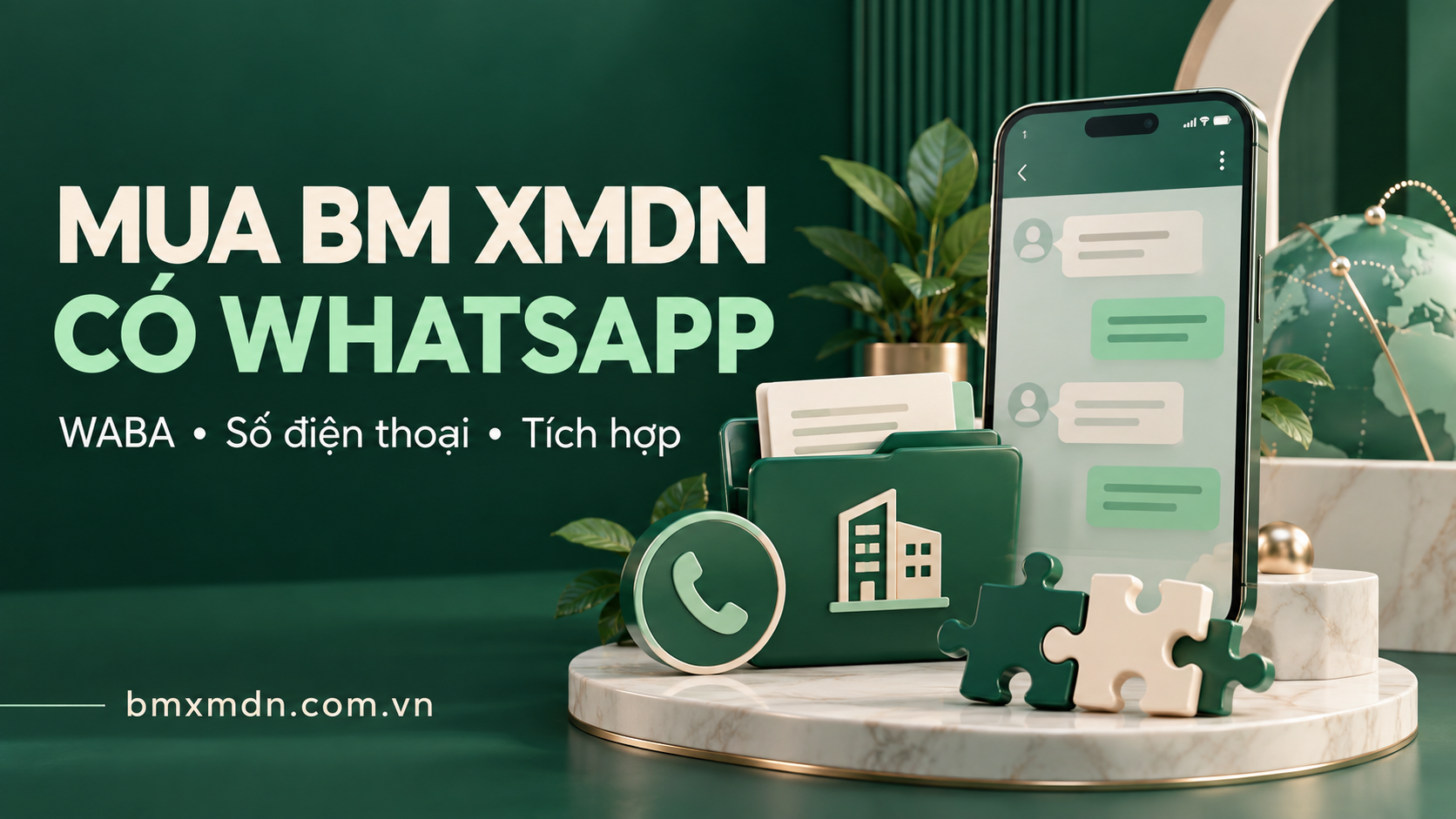
Searching for a verified BM for WhatsApp Business API usually means you want a business messaging setup that connects to an inbox, CRM, or application.
Before choosing a service, separate the business account from the messaging implementation. A verified business portfolio is not a complete description of an operational WhatsApp integration.
Your project should identify the business, WhatsApp account, phone number, software, and work required to connect them.
Understand the Main Components
Meta’s official Cloud API documentation lists a business portfolio, a WhatsApp Business Account, and a business phone number as requirements for using the API and its collection.
These components serve different purposes.
| Component |
What to identify |
| Business portfolio |
The organization and portfolio involved |
| WhatsApp Business Account |
The WABA selected for the project |
| Business phone number |
The number customers will contact |
| Application or integration |
The software connecting to the messaging platform |
| Team inbox or CRM |
Where staff will manage conversations |
A service listing should explain which components already exist, which need configuration, and which are included in the quotation.
Do You Need Verification Help or Integration Help?
Begin with the requirement shown in your account or software onboarding flow.
If the issue concerns business verification, ask for assistance with the business information and the specific request.
If the account setup is already available but messages do not reach your software, ask for technical diagnosis.
These tasks should have separate descriptions and acceptance criteria. A verification screenshot does not demonstrate that the integration sends and receives messages correctly.
Clarify the Phone-Number Arrangement
Before configuration, identify who controls the phone number and how it is currently used.
Tell the provider whether the number is already connected to another application or messaging service. Ask for the supported setup or migration approach before changing anything.
Your project brief should explain:
-
Whether you intend to keep an existing number.
-
Who can complete required confirmation steps.
-
Which service currently handles the number.
-
Whether previous conversation access matters to your team.
-
What interruption, if any, the proposed work involves.
Do not assume that every integration supports the same migration, history, or coexistence features. Confirm them with the selected provider.
Describe the Messaging Workflow
Specify what should happen when a customer contacts you.
For example:
Incoming customer messages should appear in our support inbox. An authorized employee should be able to reply, and the conversation should remain associated with the correct customer record.
For notifications, describe the event that triggers the message and ask which template or account requirements apply.
Distinguish replying to incoming conversations from initiating outbound communication. Include the intended message types in the quotation so the provider can assess the relevant requirements.
What Does the Technical Work Include?
Ask whether the service covers authentication, software configuration, incoming-message handling, and testing.
Meta’s Cloud API documentation describes subscribing an application to a WABA so webhook events reach a configured endpoint. That connection is one example of technical work that must be addressed separately from business verification.
You do not need to manage every implementation detail yourself. However, the provider should explain which system receives messages, who maintains it, and how failures will be investigated.
Agree on Handover Tests
Prepare a short set of tests that reflect your intended use.
Useful examples include:
-
Send an incoming message to the business number.
-
Confirm that it reaches the correct inbox or application.
-
Reply through the agreed software.
-
Confirm receipt on the test recipient’s device.
-
Check any agreed CRM record or notification.
-
Record unresolved issues and next actions.
Use an authorized test setup. Ask the provider to explain any feature that cannot yet be tested and the requirement preventing it.
Review Fees and Responsibilities
Clarify whether the quotation includes business verification assistance, number setup, integration, templates, software subscriptions, or ongoing support.
Ask which usage charges are separate and who pays them. Request the current pricing applicable to the selected provider and intended messaging pattern rather than relying on an old package description.
If you are exploring WhatsApp-related options on BMXMDN, provide your software name and intended workflow when requesting a proposal.
Frequently Asked Questions
Does a verified BM automatically include a WABA?
The phrase does not establish the included assets. Request an inventory.
Does WABA mean the same thing as a phone number?
No. Identify the WhatsApp Business Account and the associated phone-number resource separately.
Does verification complete the CRM connection?
No. The connection and workflow require their own configuration and testing.
What should I send when requesting assistance?
Provide your intended use, existing portfolio and WABA details, number arrangements, software name, and the exact issue you are seeing.
Request a Complete Setup Scope
Define the assets, connection, testing, and support your messaging project needs. A clear scope helps distinguish completed configuration from outstanding verification or platform requirements.
If you need assistance reviewing your situation, visit BMXMDN and explain the requirement you are trying to satisfy. Request a proposal that clearly identifies the work included, the information you must provide, and how progress will be documented.